
Ingredients
Sugar Beans: Big on Fibre, Full of Comfort
Sugar beans provide fibre and plant protein, and can support blood-sugar management as part of a balanced diet. They still contain carbohydrate, so portions and what you serve alongside them matter.
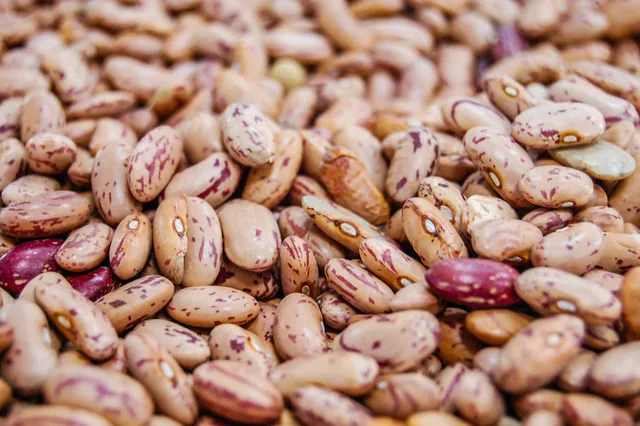
A pot of sugar beans does not need much of a sales pitch in a Durban kitchen. Give it a good masala, a patient simmer and somewhere for that gravy to go, and dinner usually takes care of itself.
But behind the comfort-food credentials is an ingredient with plenty going for it nutritionally. Those little red-speckled beans bring fibre, plant protein and useful nutrients to the table. They also deserve a place in the conversation about blood sugar, despite having a name that sounds like it belongs in the sweet aisle.
Sugar beans: the name is not a nutrition label
Here we mean the red-speckled dried beans used in our Sugar Bean Curry recipe. The word “sugar” does not mean they have been coated in sugar. Equally, it does not mean they are carbohydrate-free: beans contain starch as well as fibre.
That distinction matters. A food can contain carbohydrate and still be a useful part of a balanced eating pattern.
Why fibre deserves some of the applause
Fibre is carbohydrate that our bodies do not digest in the same way as sugars and starches. Soluble fibre can form a gel and slow digestion; insoluble fibre helps with bowel regularity. Fibre can also help a meal feel more satisfying. The CDC’s guide to fibre and diabetes explains these different jobs.
So the bean is doing more than taking up space in the gravy. It helps bring the sort of fibre-rich food many everyday meals could use more of. There is no need for a fashionable powder when a familiar pantry ingredient can make a useful contribution.
Can sugar beans help with blood-sugar control?
They can be part of an eating pattern that helps. The strongest claim is about beans and other pulses as a group, rather than a special medicinal effect unique to South African sugar beans.
In a 2012 randomised trial involving 121 adults with type 2 diabetes, researchers compared a low-glycaemic-index diet encouraging at least a cup of legumes daily with a diet emphasising whole-wheat fibre. After three months, both groups improved their HbA1c, a longer-term measure of blood glucose. The legume group improved by about 0.2 percentage points more.
That is a modest, encouraging result. The trial tested a dietary pattern including beans, chickpeas and lentils; it did not test our sugar-bean curry or show that beans replace diabetes treatment.
What else is in the pot?
A South African food-based dietary guideline paper describes legumes as economical sources of protein, fibre, vitamins and minerals. Beans contribute nutrients including folate, iron and magnesium, while plain cooked pulses are naturally low in fat.
Plant protein is another reason a bean curry can hold its own as the main event. You do not have to treat it as the consolation prize when there is no meat. Remember, though, that the nutrition of plain beans and a finished curry differs: oil, salt, potatoes and the serving size all count.
The bunny-chow question
What about a sugar-bean bunny? It is a delicious way to serve the curry, but the beans do not make the bread disappear from the carbohydrate calculation.
The CDC’s carbohydrate guidance includes beans among foods whose carbohydrate needs to be counted. Bread, rice and potatoes contribute too. For blood-sugar management, consider the whole plate and the amount you eat.
A practical option is bean curry with a smaller helping of your usual starch and a generous side of non-starchy vegetables. Our carrot salad sambals brings a fresh contrast to the gravy. If you manage diabetes, use your agreed meal plan and glucose monitoring to judge portions; do not change medication on the strength of a food article.
And the less glamorous question: wind?
Beans have a reputation, and the dinner table has heard the jokes. Gut bacteria produce gas when they break down carbohydrates that reach the large intestine undigested, as NIDDK explains.
If you are increasing fibre, build up gradually rather than suddenly eating enormous servings, and drink enough water. Persistent pain or troublesome bloating deserves advice rather than being dismissed as “just beans”.
Give dried beans a proper start
Follow the packet’s cooking instructions. Raw or undercooked beans can contain harmful lectins. The FDA advises soaking beans for at least five hours, then boiling in fresh water for at least 30 minutes to destroy the toxin. Continue cooking until tender; soaking alone is not enough. Canned beans are already cooked.
For a Durban dinner, start with our Sugar Bean Curry, and get to know the cumin and curry leaves that help make the kitchen smell so inviting.
The sugar bean does not need a miracle claim. A comforting supper with fibre, flavour and a useful place in a balanced diet is already a very good offer.