
Ingredients
Cumin / Jeera: Small Seeds, Big Personality
Get to know cumin, or jeera: its history, curry pairings, whole-versus-ground cooking tips, storage and what the health research really says.
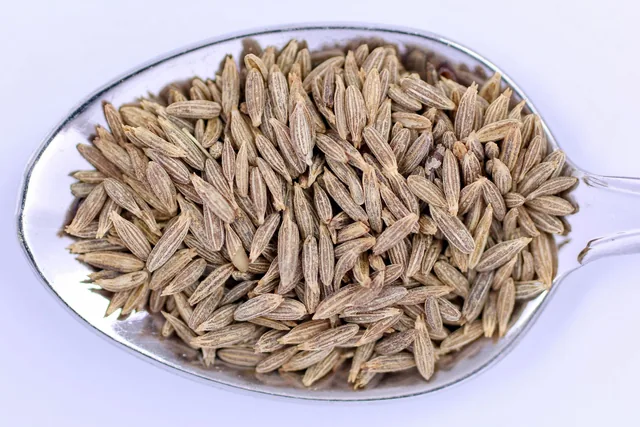
Chilli gets plenty of attention in a Durban curry. People ask how hot it is, admire the colour, and occasionally reach for a second glass of water.
Jeera is quieter. It is busy making you lean over the pot for another sniff.
Earthy, warm and a little bitter, cumin brings a flavour quite different from chilli's heat. Get to know it, and that familiar jar becomes much more useful than something you add because the recipe says so. India's spice research institute describes the same distinctive warmth and earthiness.
First things first: is jeera the same as cumin?
Yes. Ordinary cumin and jeera are the same spice, Cuminum cyminum. You may also see the spelling jira or zira.
Here is a small surprise for your next kitchen conversation: what we call cumin seeds are technically the plant's dried fruits. You are welcome to announce this while cooking, although it probably won't get you out of chopping the onions. Spices Board India
A very old acquaintance
Cumin and coriander have been keeping company for a very long time.
The British Museum holds a linen bag excavated at Antinoupolis in Egypt, dated broadly between the first and eighth centuries. Inside are cumin seeds and fragments of coriander seeds, along with other plant remains.
We cannot tell you what its owner planned to cook. We can say that finding those two familiar spices together makes today's dhania-and-jeera tin feel part of a much longer story. British Museum collection record
Closer to home, Indian cooking traditions took root and changed in Durban through migration, local ingredients and generations of family cooking. Cumin became one of the familiar spices in that evolving food culture. There is no need to pretend every household uses it in exactly the same way. South African Tourism, its guide to South African Indian curries
Whole seeds or ground cumin?
Both deserve a place in the cupboard. They simply give you different ways to season a dish.
Whole seeds are useful when you want to begin with spices sizzling in oil, or toast and crush them. Ground cumin is convenient when you want to mix the spice through a sauce or seasoning. Toasting is an option, rather than a compulsory extra step for every curry. McCormick's cumin guide
For a local example, our Durban Green Banana Curry starts with jeera seeds alongside mustard seeds, dried chilli and onion.
When frying spices, stay close to the stove. Watch whole seeds for fragrance and gentle browning. Ground spices cook faster, so keep the heat controlled and follow the next step in your recipe promptly. If the initial spice-and-oil mixture becomes burnt and bitter, start that small step again before adding the rest of your ingredients. Nik Sharma's guide to tempering
Jeera deserves a warm welcome. There is no prize for getting it black.
Who does jeera get along with?
Cumin is quite sociable. Coriander, chilli and turmeric are useful companions, and it works well with lamb, lentils, chickpeas and other beans. McCormick's culinary guidance
For a practical look at that company, try these recipes from our kitchen community:
- With coriander: Zelna's Chicken Curry uses a teaspoon of cumin alongside two tablespoons of ground coriander. That is the balance in her recipe, rather than a ratio every curry must follow.
- With beans and fennel: our Broad Bean Curry combines dhania-and-jeera powder with fennel, turmeric, masala and aromatics. Notice that the listed half-teaspoon is the combined powder, not half a teaspoon of each spice.
- With mustard seeds and chilli: Durban Green Banana Curry gives whole jeera a job right at the beginning of the pot.
If a recipe asks for dhania-and-jeera powder, check the packet before reaching for plain cumin. Our guide to dhania-and-jeera powder takes a closer look at the combination.
And what shouldn't go together?
There is no useful curry rule that says cumin and another ordinary spice must never share a pot. The more helpful questions are how much, in what form, and at what stage.
Before adding extra cumin to a ready-mixed masala, read the ingredients: cumin may already be doing its share of the work. Follow the recipe first, then adjust your next pot to your taste. More spice is a choice, not an automatic improvement.
And don't treat whole and ground cumin as identical instructions. Swapping the form can change the texture and the way it cooks; follow a method written for the form you have.
What about the health benefits?
Cumin has attracted researchers as well as cooks, but the findings need some perspective.
One small trial found improvements in some weight and cholesterol measures among women taking cumin powder daily while following a weight-loss programme. A review of eight trials found no clear overall improvement in fasting blood sugar or insulin-related measures. These studies do not establish that the cumin shared across tonight's curry will produce a medical benefit. Cumin-powder trial, research review
Enjoy it for the flavour it brings to your food. Jeera has plenty to offer dinner without having to promise a miracle.
Give the jar a better home
Keep cumin tightly sealed in a cool, dark cupboard, away from heat and moisture. The shelf directly above a steaming pot is convenient for you and rather less comfortable for the spice. Dried spices lose their flavour over time, so buy an amount you will actually use. University of Illinois Extension
Next time a recipe calls for jeera, pause for a moment when it becomes fragrant. That small change in the smell of the kitchen is part of the pleasure of cooking—and a good reason to give this little spice your attention.