
Ingredients
Mustard Seeds: The Little Seeds That Start Popping
Meet the mustard seeds that bring a lively start to Durban curry: their history, varieties, cooking methods, recipe pairings and allergy considerations.
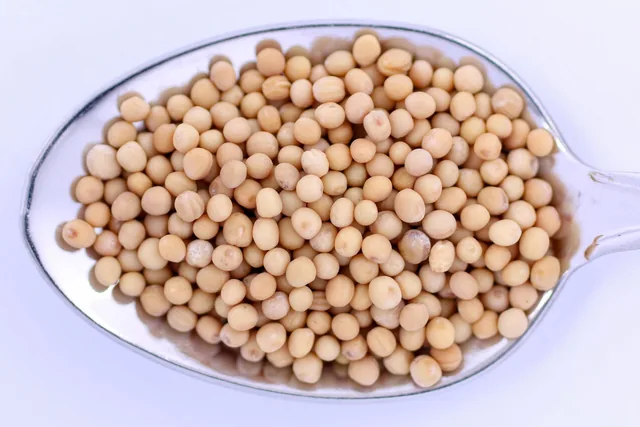
Mustard seeds are one of the few ingredients that announce themselves before dinner is ready. A quiet pan, a little heat, and suddenly the kitchen has a soundtrack.
They are easy to overlook in a finished curry, especially beside a bright masala and a generous scattering of dhania. Yet those tiny seeds deserve a closer look. Their flavour and texture give them useful jobs in vegetable curries, fish dishes and pickles.
More than one kind of mustard
Mustard is a name shared by several plants grown for their seeds. The familiar culinary types include yellow or white mustard, brown mustard and black mustard. They are related ingredients, rather than three colours of an identical product. Spices Board India’s mustard profile describes the main types and their different origins.
Brown and black seeds are widely used in Indian cooking. When briefly fried at the start of a dish, they pop and develop a nutty character. Chef Hari Ghotra’s culinary guide describes that familiar technique.
A jar of prepared sandwich mustard is another matter. It contains processed seeds and usually other ingredients, so a spoonful will not do the same job as whole seeds in the pan.
A very long-running condiment
Mustard has been earning its place at the table for centuries. A Chinese porcelain mustard pot in the British Museum’s collection leads to a lovely detail about seventeenth-century preparation: crushed seeds were soaked in liquids including vinegar, wine, buttermilk or fruit juice. The collection record describes those methods.
That is a useful reminder that the seed’s story is bigger than the yellow condiment bottle. Different cooks have turned it into pastes, powders, seasonings and whole-seed additions. The packet used for your curry belongs to that broad family of kitchen ideas.
Getting the pan ready
If a recipe starts by popping mustard seeds, measure them first and have the next ingredients nearby. Heat the oil as directed, add the seeds and stay with the pan. This is not a good moment to begin a leisurely search for the onions.
Use a pan with enough room, and keep your face and hands back from the popping seeds. A lid can help contain the spluttering. Move on with the recipe when the seeds have had their brief fry; you are not waiting for every last one to leap into the air.
Our Durban Tinned Fish Curry offers a straightforward example: mustard seeds go into the hot oil first, followed by the next ingredients. The order is part of that recipe’s method, rather than an instruction to rearrange every curry you already cook.
Good company for the little seeds
- With cumin and chilli: Durban Green Banana Curry pairs mustard with jeera seeds, dried chilli, onion and turmeric. It is a useful way to notice the seeds in a vegetable dish.
- With beans and fenugreek: Four-bean Curry combines mustard seeds with fenugreek powder, ginger, garlic and tomato. Its gentle opening heat is worth paying attention to.
- With fish and aromatics: the tinned-fish recipe above puts mustard alongside cumin, curry leaves and ginger-garlic paste. Several small flavours work together before the curry reaches the plate.
For more on those partners, get to know cumin, fenugreek and curry leaves. None needs to be added simply because mustard is present; let the dish decide.
Whole, crushed and ground are different jobs
Whole seeds give a recognisable texture. Crushed or ground mustard becomes part of a mixture in a different way; Spices Board India notes ground mustard’s use in Bengali fish curries. Its culinary overview is a reminder to read both the ingredient and the method.
If a recipe calls for ground seeds, do not assume leaving them whole is an invisible change. Likewise, replacing them with prepared mustard brings that product’s extra flavours and moisture. It might make a pleasant variation, but it will be a variation.
Avoid the two easy excesses: too many seeds, and too much heat. Follow a recipe you trust before adjusting the quantity. The first successful crackle does not need to become a prolonged frying session.
Health benefits and a useful caution
Mustard can make a bowl of beans or vegetables more appealing, which is a good reason to use it. It should not be presented as a treatment for blood pressure, digestion or any other condition on the strength of a culinary serving.
There is also a real ingredient-specific concern: mustard allergy. People with this allergy need to avoid the ingredient, including where it appears in spice mixtures; frying the seeds is not a workaround. Health Canada’s allergen guidance explains this clearly.
Ready for the next crackle
Keep the seeds sealed, dry and away from stove heat. Measure with a dry spoon rather than letting steam enter the container. General spice-storage guidance covers these simple habits.
Then listen when they reach the pan. For such a small ingredient, mustard makes a very cheerful beginning.