
Ingredients
Curry Leaves: The Leaf That Deserves Its Own Story
Learn why curry leaves and curry powder are different, how to cook and store the leaves, and where their aroma belongs in a Durban curry.
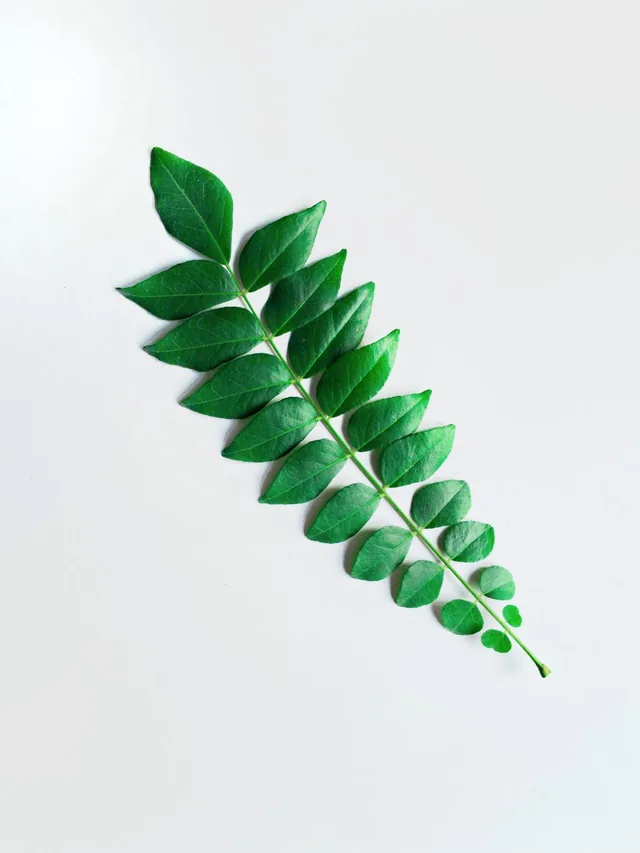
A packet of curry leaves can look rather modest beside a bright red masala. Then the leaves meet the pot, and modesty is over.
Their fragrance is one of the pleasures of cooking a curry: a little green, a little citrus-like, and very much its own thing. If you have been treating them as decoration, it is time to give them a more interesting job.
First, a surprisingly common mix-up
Curry leaves are not curry powder. They are leaves from a small tree, now generally listed botanically as Bergera koenigii. Many older books and plant labels use Murraya koenigii. Curry powder is a mixture of spices. Buying one does not mean you have bought the other, and a spoonful of powder cannot reproduce a fresh leaf's flavour. University of California’s curry leaf guide
Nor should a nursery label containing the word “curry” be treated as enough identification for something you plan to eat. Buy culinary leaves from a food supplier or a correctly identified cooking plant from a reputable nursery.
A plant with roots in a wider food story
Kew places the tree's native range across the Indian subcontinent and into parts of China and Southeast Asia. It belongs to the Rutaceae, the citrus family. That botanical relationship is a pleasing companion to the citrus-like note cooks notice, although it does not make curry leaves a substitute for lemon. Kew’s plant record
The leaves have an established place in South Asian cooking. In Durban, Indian food traditions developed through migration, local ingredients and generations of cooks adapting meals for their own families. Curry leaves belong within that living kitchen story, rather than a claim that every Durban household must cook identically. South African Tourism’s food history
Meet them in the method
Look at the timing in three of our recipes. Durban Tinned Fish Curry adds curry leaves with ginger-garlic and spices after the onions have coloured. Durban Green Banana Curry adds them with the grated banana. In Durban Fish Curry with Tamarind, they spend time simmering in the sauce before the fish goes in.
That little tour is more useful than declaring a single correct minute for every curry leaf. Follow the dish's method, then notice the aroma at the point the leaves are added. If you cook the same recipe often, that smell becomes a helpful part of recognising what is happening.
Wash culinary leaves and dry them thoroughly before adding them to hot oil: water makes oil splutter. Prepare them before you heat the pan. Trying to rinse a sprig while the rest of the spices race ahead is an unnecessarily energetic way to make supper.
Who should join them?
Mustard seeds, cumin, chillies and onions make useful company, as those fish and banana recipes show. Tomatoes and tamarind offer another direction. Choose a combination that supports your main ingredient rather than adding every pairing to one pot.
Curry leaves and fresh dhania can also appear in the same recipe without competing for the same role. Green banana curry uses curry leaves during cooking and finishes with fresh dhania. One builds into the dish; the other arrives at the end. Green does not mean interchangeable.
The mistakes worth avoiding are simple: replacing leaves with curry powder, forgetting that a commercial paste may already include them, or adding so many extra aromatics that you cannot tell which one you liked. No invented rule banning ordinary spices from sharing a pot is needed.
Health benefits without a leap of faith
Curry leaves have attracted research into their plant compounds. Much of the work discussed in a scientific review involves cells, animals or extracted constituents. Those findings are starting points for research, not proof that a few leaves in dinner prevent or treat disease. The leaf does not need a treatment claim to be a worthwhile cooking ingredient. Review of curry leaf research
Save the fragrance for another day
Use fresh leaves while they are in good condition. If you have more than you need, freezing is a useful option. University of California gardeners recommend it over drying, which loses much of the flavour. Pack clean, dry leaves in labelled freezer portions so you can take only what the next recipe needs. Harvesting and storage advice
There is a quiet satisfaction in opening the freezer and finding a little packet that already smells like dinner. Curry leaves are very good at providing it.