
Ingredients
Fenugreek / Methi: Getting to Know Curry’s Bitter Edge
Learn the difference between fenugreek seeds, powder and leaves, how methi works in Durban curry and pickles, and what the health evidence actually supports.
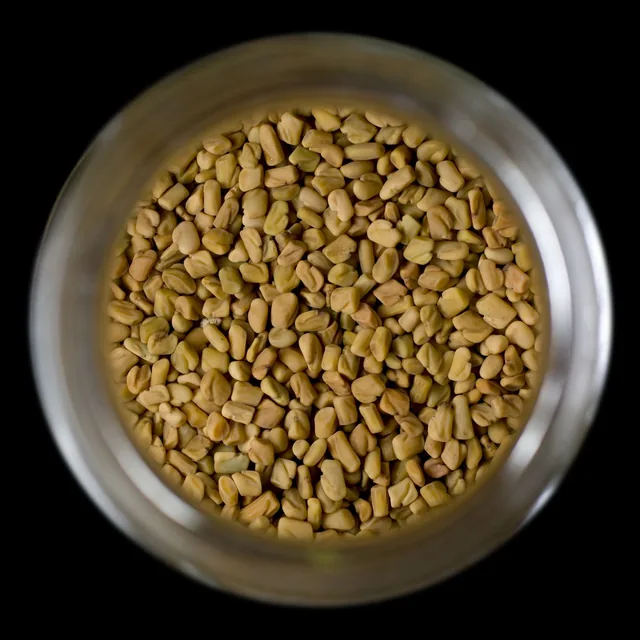
Fenugreek is the spice most likely to teach a cook that a small spoon can be a very sensible spoon.
Its flavour has an unmistakable bitter edge. In a balanced curry that edge can be welcome, sitting among the warmth of other spices and the richness of the gravy. Add too much and it becomes rather less interested in being part of a team.
Meet methi, in its different forms
Fenugreek is Trigonella foenum-graecum, a clover-like plant with a long history as both a culinary ingredient and a traditional remedy. Its native region includes the Mediterranean and western Asia. The seeds can have a surprisingly maple-like smell: a sweet aroma does not mean a spoonful will taste like syrup. The US National Center for Complementary and Integrative Health describes that background.
The name methi can appear around both the seeds and the leaves. That makes the rest of the recipe’s wording especially important.
- Seeds are the small, hard, angular pieces used whole or ground in spice mixtures and pickles.
- Fenugreek powder generally means ground seeds. Its concentrated flavour is quite different from a handful of fresh greens.
- Fresh or dried leaves are the leafy form of the ingredient. Dried leaves are often sold as kasuri methi. They are not a spoon-for-spoon replacement for seed powder.
Chef Hari Ghotra’s guide to fenugreek seeds explains the strong flavour of the seeds and powder compared with the leafy herb.
A useful bitterness
It is tempting to treat bitterness as a cooking mistake. Sometimes it is. But a little bitterness can also give a dish contrast, just as tartness can make a pickle interesting.
The distinction matters with fenugreek. You are not trying to remove its entire personality. You are trying to use an amount that belongs with the other ingredients. The measure written in a recipe is a better first guide than the size of the empty space in your spoon.
That is also why methi travels well between curry and pickle. Hari Ghotra notes the seeds’ established use in chutneys, pickles and spice powders. The ingredient has useful work to do well beyond one style of gravy. Her ingredient notes give several examples.
Three ways to see it in action
- Our Four-bean Curry uses ½ teaspoon fenugreek powder, with mustard seeds, garam masala, tomato and aromatics. The method explicitly calls for gentle heat and care not to burn the spices.
- Mrs Singh’s Prawn Curry uses ground methi seeds with onion, garlic, elachi and a tomato-rich base. It shows the seed form at work in seafood cooking.
- Mrs Moodley’s Fish Curry includes methi seeds and mustard seeds. Read its own method before deciding how to add them.
Those examples are useful starting points for cooking, rather than invitations to add the same dose to every curry. The amount of food, the form of the spice and the rest of the seasoning all matter.
Good partners and avoidable mistakes
Mustard seeds and fenugreek are familiar company in the recipes above. Cumin, turmeric, ginger, garlic and tomato offer other useful directions to explore.
Measure before you start cooking. A slipping packet over a hot pot is a poor way to find your preferred quantity. If you are using a ready-made masala, check whether fenugreek is already included before adding more.
Keep the heat controlled and the next ingredients ready. Do not continue frying until the seeds are black, hoping the bitterness will disappear. Equally, do not replace a recipe’s dried leaves with a generous spoonful of seed powder and expect the same dish.
If the finished curry tastes too strongly of fenugreek, make a note for the next batch. There is no dependable magic ingredient that selectively removes it while leaving everything else unchanged.
Health benefits, with some perspective
Fenugreek has been studied for blood-sugar control and milk supply during breastfeeding, but the evidence is limited or inconsistent. A normal recipe quantity is different from taking large supplemental doses. NCCIH advises against amounts above those found in food during pregnancy; larger doses can also lower blood sugar too far and cause digestive symptoms or allergic reactions. Its evidence and safety summary is a better guide than treating the spice as a cure.
Make the small jar count
Keep seeds and powder tightly sealed in a cool, dry cupboard. Use a dry spoon and avoid holding an open jar over steam. Spice-storage guidance explains the importance of protecting the contents from moisture.
Fenugreek rewards a little attention. Learn the form, respect the measure, and that once-mysterious bitter note becomes something you can use with confidence.