
Ingredients
Fennel / Soomph: The Sweet Side of the Spice Tin
Discover fennel, also called soomph: its Mediterranean roots, sweet aroma, place in Durban curry and how to use it without overwhelming the pot.
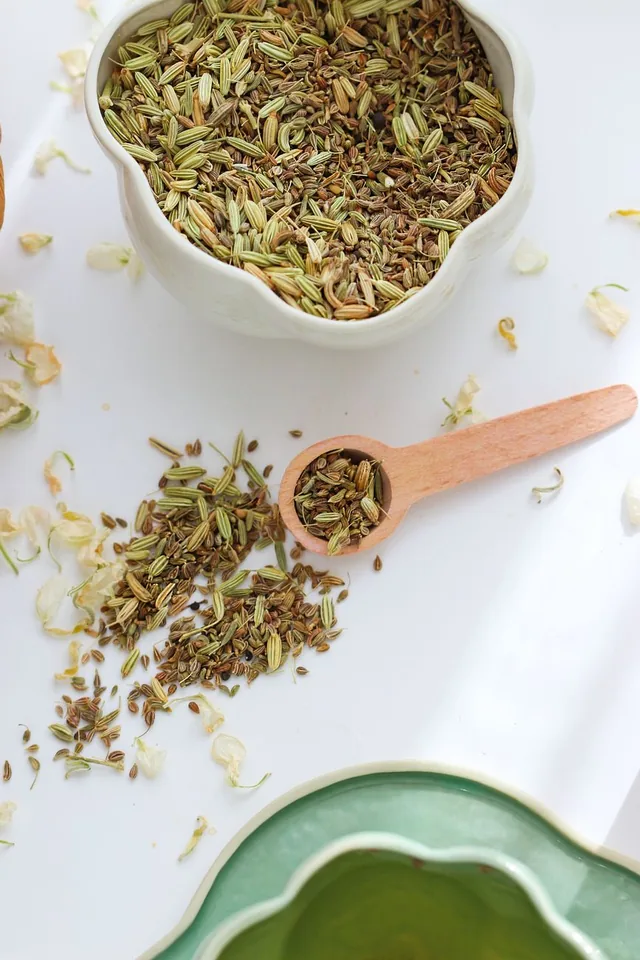
There is a moment when you crush fennel seeds and the spice tin seems to turn into a sweet shop. The smell is familiar, slightly liquorice-like, and much more cheerful than those little greenish seeds suggest.
In a Durban curry, soomph brings that fragrant sweetness into a savoury setting. It can sit beside meat, beans and chilli quite comfortably. It simply appreciates a cook who knows when to stop.
Meet soomph
Fennel is Foeniculum vulgare. The spice sold as fennel seed is its dried fruit, usually long, ridged and greenish-yellow to brown. You will see saunf on some packets and soomph in South African recipes. Our Chicken Breyani Recipe uses “fennel (soomph)” to make that connection explicit. Spices Board India's botanical guide
Do not confuse the seed spice with the fresh fennel bulb sold among the vegetables. They belong to the same broader fennel story, but a chopped bulb cannot take the place of a measured spoon of dried seed. University of Illinois Extension distinguishes herb fennel from the bulb-forming Florence type. Meet the fennel plant
A Mediterranean beginning, many kitchen homes
Fennel's roots lie around Europe and the Mediterranean region; it became widely cultivated farther east, including India. Its culinary career is wonderfully varied. Spices Board India notes its use in Italian sausages as well as soups, meat dishes and sweet foods. The same spice can feel entirely at home in very different meals. Fennel's distribution and uses
That makes it easier to understand its place in a Durban spice tin. A sweet-smelling ingredient does not have to produce a sweet dish. Often, its job is to add a fragrant contrast to the savoury ingredients around it.
How to recognise its contribution
Try smelling a few lightly crushed seeds on their own before you cook. Then notice the same aroma in the early stages of a curry. This is a more useful introduction than adding extra soomph to a whole pot and hoping it will explain itself.
Shane's Mutton Curry lists fennel crushed with a pestle and mortar alongside cinnamon, star anise, masala and aromatics. It is one example of a deliberately fragrant mixture, rather than a rule that every mutton curry must contain that exact combination.
Whole seeds or powder?
- Whole fennel can be useful where the recipe wants seeds in the finished dish or asks you to crush them yourself.
- Crushed fennel breaks up the seeds without turning them into a fine powder. Check the texture before adding it to a sauce.
- Ground soomph mixes through a gravy more evenly. Measure it separately from any masala that may already contain fennel.
Follow the method for the form listed. If you toast seeds, keep them moving over controlled heat and stop at fragrance, rather than waiting for a dramatic colour change. Ground fennel needs particular attention in hot fat: organise the next ingredients before it goes into the pan.
Who gets along with fennel?
Beans are a good place to explore. Our Broad Bean Curry combines soomph powder with dhania-and-jeera powder, turmeric and masala. The beans and potatoes give those spices somewhere substantial to settle.
As a kitchen starting point, consider fennel with coriander, cumin, ginger or garlic. It can also share a dish with cinnamon and star anise, as the mutton recipe demonstrates. The question is whether you want all those sweet-smelling notes to be prominent at once.
If star anise is already strong in your masala, taste the cooked dish before deciding it needs more fennel next time. There is no forbidden pairing here, just the possibility of several ingredients all talking at the same volume. Chilli can supply heat alongside fennel's aroma; it does not cancel out an excess of soomph.
The digestion reputation
Fennel has a long association with digestion. The European Medicines Agency recognises traditional medicinal use of sweet-fennel fruit preparations for mild digestive complaints including bloating, while noting that clinical trials are limited. That assessment concerns particular herbal preparations and their directions, not proof that a little fennel in curry prevents indigestion. Concentrated oils and medicinal teas should not be treated as interchangeable with cooking seeds. EMA's assessment
For everyday cooking, flavour is a sufficient reason to enjoy it. Dinner need not come with a treatment claim.
Buy for the way you cook
If you use fennel occasionally, choose a small packet. Keep it sealed in a dry, cool cupboard and close it before returning to the stove. Whole seeds are useful if you like crushing only what the recipe needs; ground soomph is convenient if that is how your favourite recipes are written.
There is pleasure in recognising an ingredient before it disappears into a blend. Give soomph a sniff, a careful measure and a suitable recipe, and that small sweet-shop moment can become part of a very savoury supper.