
Ingredients
Star Anise: A Star That Doesn’t Need the Whole Stage
Discover star anise’s origins, liquorice-like flavour, Durban curry pairings, whole-versus-ground uses and the important distinction from Japanese star anise.
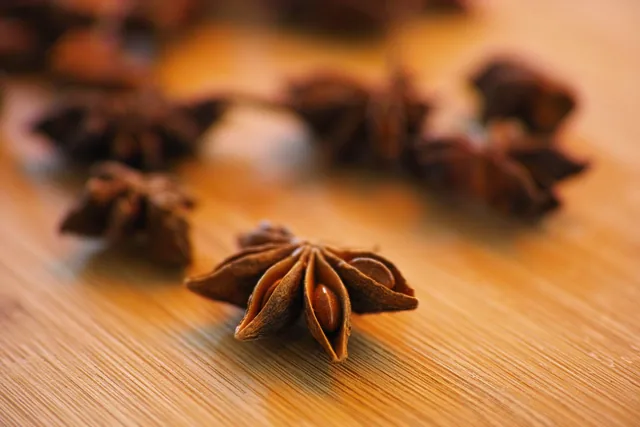
If the spice tin held a beauty contest, star anise would arrive ready for its photograph. The rest would still be trying to look interesting in a spoon.
Its flavour is every bit as recognisable as its shape: sweet-smelling, strongly anise-like and capable of making itself known in a richly seasoned curry. Used thoughtfully, it gives the dish another layer. Used without restraint, it can become the only layer anyone notices.
What is that little star?
Culinary star anise is the dried fruit of Illicium verum, an evergreen tree. Each of the woody, boat-shaped sections holds a seed. The whole star is a fruit, rather than a collection of unrelated seeds that happened to arrange themselves attractively. Spices Board India describes its structure.
The plant is associated with southeastern China, and star anise is one of the distinctive ingredients of Chinese five-spice mixtures. Its culinary uses also include curries, pickles and meat seasonings. That makes the familiar star in a Durban spice mix part of a much wider cooking story. The Board’s ingredient profile traces that background.
Buy the cooking spice
Chinese star anise and Japanese star anise are not interchangeable. The food spice is Illicium verum. Japanese star anise, Illicium anisatum, is toxic and must not be used for cooking. Buy packaged culinary spice from a reputable food supplier; do not cook with decorative material or try to identify an unknown fruit by counting its points. Health Canada’s safety advisory explains the distinction.
That is a purchasing check, not a reason to be nervous about every familiar packet in the cupboard. A clearly identified food ingredient is what you want.
Whole or ground?
Whole stars are useful in a pot where you want the flavour to infuse the surrounding food. Keep track of how many you add and remove them before serving where practical. They are woody whole spices, not little crunchy garnishes.
Ground star anise spreads the flavour through a seasoning or sauce. It also removes your option to fish the spice out later. A spoonful of ground spice and one whole star are not interchangeable instructions, so use the form the recipe specifies.
If a star breaks in the packet, that does not turn it into a different spice. It does make counting less useful. A recipe giving a weight is easier to follow with broken pieces; otherwise, avoid guessing a generous handful into a small pot.
Put it to work in Durban curry
There are good examples in our recipe collection, with different balances to try:
- Shane’s Durban Mutton Curry combines star anise with cinnamon, fennel and dhania-and-jeera. The recipe adds whole stars early in the cooking.
- Boneless Chicken Curry with Potato and Carrot includes one star in the curry base alongside cumin, cardamom and cloves.
- Broad Bean Curry shows that the spice is useful beyond meat, with beans, potatoes, tomatoes and a generous collection of aromatics.
Notice how each recipe gives the spice a supporting cast. Star anise does not need to supply all the fragrance by itself.
Good partners, sensible quantities
Cinnamon offers another warm aromatic note. Fennel shares the anise-like direction. Cumin takes the flavour somewhere earthier. The recipes above demonstrate these combinations without requiring a rule that every spice must always be included.
Fennel and star anise can absolutely share a curry. The useful caution is that repeatedly increasing both pushes their shared flavour forward. If you want to adjust a recipe, change one quantity at a time so you can understand the result.
Keep the heat controlled when frying the initial spices. A pleasant aroma is the aim; smoking oil and blackened fragments are not extra flavour worth preserving.
What about health benefits?
Star anise is a culinary flavouring, not a home treatment for illness. The important practical health point is correct identification, especially around teas and products sold with medicinal claims. Health Canada’s advisory followed reports of reactions involving star-anise products and distinguishes the edible species from unsafe relatives. Do not give star-anise preparations to infants as a home remedy. Read the advisory for that context.
Keep its good looks and fragrance
Store the stars in a sealed container away from heat and damp. Close the packet after measuring; the cupboard is a better home than a bowl beside the kettle. General spice-storage advice applies here.
Then let the star do its work in the pot. It does not need to be the loudest ingredient to be worth noticing.