
Ingredients
Garlic: Getting the Most from Every Clove
Explore garlic’s long history, why crushing changes its flavour, how it works with ginger and spices, and practical buying and storage advice.
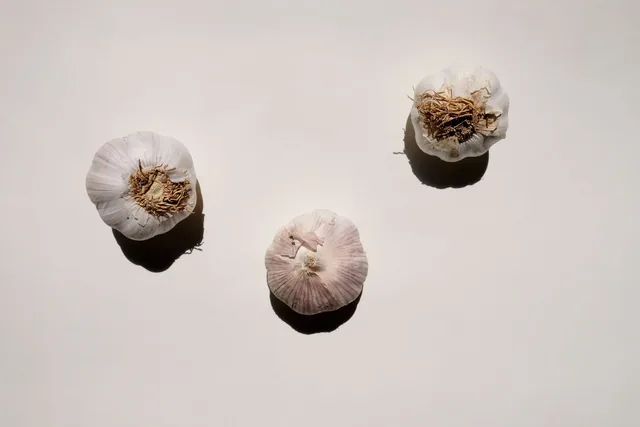
Few kitchen smells make a stronger promise than garlic meeting warm onions. It is the moment when someone who was not particularly hungry begins asking what time dinner will be ready.
Garlic can be sharp, mellow, sweet or thoroughly overwhelming. Getting more from it is not always a matter of adding more cloves. How you prepare it, and when you put it in the pot, deserve just as much attention.
A clove is not a bulb
Let us settle the shopping-list confusion first. A bulb, or head, contains several individual cloves. When a recipe asks for two cloves, it does not usually mean two whole heads. The distinction is small on paper and quite noticeable in a small saucepan.
Ordinary garlic is Allium sativum, related to onions, leeks and shallots. The large, mild product sold as elephant garlic is closer to a leek than true garlic, so size alone will not tell you how strongly it seasons a dish. University of California’s garlic guide
A long career before your curry
Garlic appears in ancient writings from Egypt, Greece and India. People used it in food and attached medicinal hopes to it long before modern researchers began investigating those claims. That history is interesting on its own; an old belief does not become a proven treatment simply by surviving a long time. NCCIH’s background and evidence review
In our curry collection, garlic appears in everything from a creamy chicken marinade to a tomato-rich tinned-fish sauce. It has clearly found plenty of useful work without requiring us to award one recipe the title of the only authentic approach.
The chopping board changes the flavour
Cutting or crushing a clove breaks its cells and allows a chemical reaction that produces allicin, associated with garlic's pungency. Cooking changes that chemistry, which helps explain why raw crushed garlic and a soft roasted clove taste so different. University of California’s explanation
For the cook, the practical decision is texture. Minced garlic or a paste can spread throughout a gravy. Sliced garlic leaves visible pieces. A whole clove does something else again. Match the preparation to the dish instead of assuming every form produces the same spoonful.
Powder and granules can be convenient in dry seasonings, but garlic salt also brings salt. Read the label before treating it as plain garlic. Similarly, commercial paste may contain other ingredients; a jar labelled ginger-and-garlic cannot be counted as garlic alone.
Give it a sensible place in the pot
Our step-by-step mutton curry for bunny chow softens onions before adding ginger and garlic. The masala follows. Working in that order gives each part of the base attention instead of asking everything to cook at once.
Keep an eye on the bottom of the pan and stir. Finely chopped garlic can catch while you are busy looking for the next packet. Prepare your spices and tomatoes first, and control the heat. An attractive sizzle is useful; a burnt base is not a head start.
For a different method, try Creamy Butter Chicken, where garlic and grated ginger join yoghurt and spices in the marinade. Follow that recipe's refrigeration and cooking instructions rather than borrowing timing from a different curry.
Good partners, and the real mistakes
Ginger, onions and tomatoes are familiar companions. Cumin, coriander and chilli can join them, as can the mustard seeds and curry leaves in Durban Tinned Fish Curry.
The useful restraint is to check what you have already added. If a marinade contains garlic and you add a spoonful of garlic paste later, both count. Taste and make notes for your next pot. There is no universal number of cloves that makes every curry better.
What does the health research say?
Garlic supplements may produce small cholesterol reductions in people with high cholesterol; evidence for an immune-system boost is limited. These findings do not make the garlic in dinner a substitute for treatment. Supplements are also different products with their own risks, including increased bleeding risk. NCCIH’s evidence summary
Keep the spare cloves useful
Choose firm bulbs and store whole garlic in a cool, dry, ventilated place. Chopped garlic can be tightly packed and frozen for later cooking. Garlic storage guidance
Homemade fresh garlic in oil needs particular care: keep it refrigerated at 4°C or colder for no more than four days, or freeze it promptly. Do not store it on the kitchen counter. Commercial products have their own preparation and storage instructions. National Center for Home Food Preservation
A little preparation leaves you with garlic ready for its best role: making the kitchen smell as though someone has a very good plan.