
Ingredients
Ginger: Fresh, Dried or Pasted—Does It Matter?
Discover ginger’s story, the difference between fresh and dried ginger, its role in Durban curry, good pairings and sensible health context.
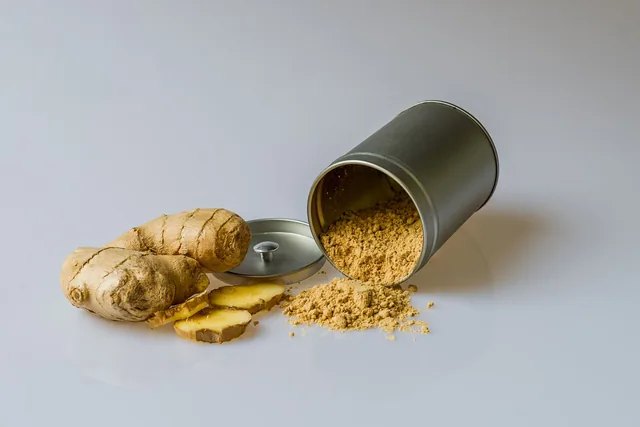
Ginger is one of those ingredients that can make a chopping board smell promising before the stove is even on. Peel a piece, grate it, and suddenly dinner feels as though it has begun.
It is also an ingredient with several personalities. Fresh ginger, dried ginger and ginger paste share a name, but reaching for whichever happens to be nearest can change a curry quite noticeably. The useful question is what the recipe needs the ginger to do.
The “root” with a small correction
The knobbly piece sold as ginger root is technically a rhizome: an underground stem. The cooking plant is Zingiber officinale, with shoots and roots growing from that stem. This is an excellent fact to offer while someone else is doing the peeling. University of Illinois Extension
Ginger comes from warm parts of Asia and has a long history in food and traditional medicine. Its travels have taken it well beyond that region; it is now grown in parts of Africa, South America and the Middle East too. That wide usefulness is easy to understand when the same ingredient feels at home in a savoury curry and a sweet ginger biscuit. NCCIH’s ginger background
Choose the form for the job
Fresh ginger brings moisture, texture and an immediately recognisable pungency. Finely grated ginger spreads through a sauce; matchsticks leave distinct little bites; a larger piece can flavour liquid and be removed. Think about the spoonful the diner will get, rather than treating chopping as a purely cosmetic decision.
Ground dried ginger is a dry spice. It cannot supply the moisture or texture of a spoonful of freshly grated ginger. Use it when the recipe calls for it, or choose a recipe written for it, rather than replacing a large volume of fresh ginger with the same volume of powder.
Ginger paste saves preparation time, but read the jar. A ginger-only product and a ginger-and-garlic mixture are different ingredients. Salt, acidity and added water also vary. Convenience is useful; assuming every jar contains the same thing is less useful.
What happens in a curry?
In our step-by-step Durban mutton curry for bunny chow, ginger and garlic go in after the onions have softened and before the masala. That sequence gives you a practical starting point: build the aromatic base in stages and watch what is happening in the pot.
Keep the heat controlled and stir where the paste touches the pan. A damp paste can catch as its moisture cooks away. You are looking for an appetising base, not a dark crust that you hope the tomatoes will disguise. Have the next ingredients ready before you begin.
There is another route in our Creamy Butter Chicken: finely grated ginger joins garlic, yoghurt and spices in the marinade. That recipe illustrates why there is no single moment at which ginger must always enter a curry.
Its favourite company
Ginger and garlic are a familiar partnership, but the balance belongs to the dish. Our butter chicken uses more grated ginger than crushed garlic; that does not establish a universal paste ratio.
Tomatoes offer a juicy setting for the aromatics, yoghurt is useful in a spiced marinade, and chilli lets you explore two different kinds of pungency together. For a fish example, Durban Tinned Fish Curry uses ginger-garlic paste with mustard, cumin, curry leaves and tomatoes.
A practical mistake is adding paste to an already ginger-heavy marinade simply because you always add paste. Read the entire ingredient list first. There is no need for a forbidden-spice list when a little attention to duplication will do.
Health benefits, in context
Ginger has been studied for nausea, and there is evidence it may help pregnancy-related nausea and vomiting. However, most research tested supplements rather than meals, and results differ for other kinds of nausea. A curry is not a measured treatment. Anyone considering ginger supplements during pregnancy should discuss them with their clinician. NCCIH’s evidence summary
Keep the next piece useful
Buy ginger that you will use while it is in good condition. Refrigerate or freeze fresh ginger rather than letting it slowly shrivel beside the hob. Texas A&M AgriLife Extension recommends both options.
For everyday organisation, label frozen portions with what they contain and prepare small amounts of fresh paste when needed. Keep dried powder sealed in a dry cupboard and follow commercial paste storage instructions. The best ginger is the ginger you can find, identify and use confidently when the onions are ready.