
Ingredients
Black Pepper: There’s More to Heat Than Chilli
Rediscover black pepper’s history, aroma and different grinds, with Durban curry and sambal pairings and a clear distinction between food and piperine supplements.
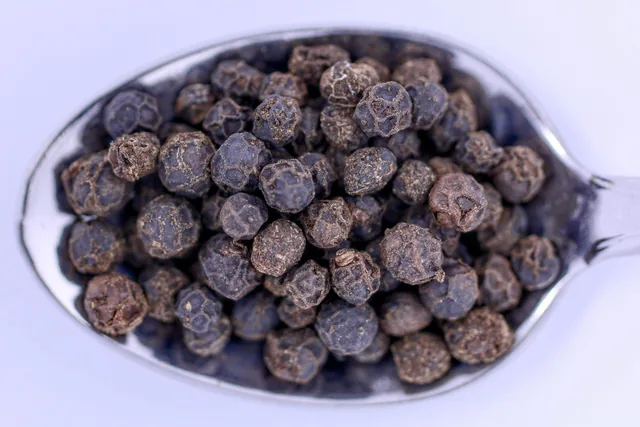
Black pepper has a public-relations problem. It spends so much time beside the salt that people forget it is a spice in its own right.
Bring it into a Durban kitchen and chilli tends to take charge of the conversation. But pepper has another kind of bite, with an aroma that is worth noticing before you automatically twist the grinder three times and move on.
What is a peppercorn?
Black pepper comes from Piper nigrum, a climbing plant. The peppercorns are its dried fruits. They start green and become dark and wrinkled through processing; the little ridges are not a sign that something has gone wrong in your cupboard. McCormick’s ingredient description explains their production and woody, pungent flavour.
Black pepper and chilli are different ingredients. A recipe asking for black pepper is not requesting a darker version of cayenne. In our guide to chillies and chilli powder, the heat comes with a different set of flavours and cooking choices.
Before the familiar table grinder
The British Museum holds a wonderfully elaborate pepper pot from the Hoxne hoard, buried in Roman Britain in the fifth century AD. Made in the form of a woman’s upper body, it is considerably more dressed up than most modern condiment shakers. The museum’s collection record documents the object.
You do not need to believe every dramatic story about pepper being worth its weight in gold to appreciate that history. A carefully made vessel is a tangible reminder that seasoning food mattered to cooks and diners long before the grinder beside your stove.
Today’s easy availability can make an ingredient feel ordinary. That does not make its flavour uninteresting.
The grind changes the experience
Whole peppercorns are useful where a recipe calls for them in a cooking liquid or mixture. They remain recognisable, so follow any instructions about straining or removing whole spices.
Coarsely cracked pepper gives more noticeable pieces and distinct bursts of flavour. Finely ground pepper distributes more evenly through a sauce or dressing. Neither is automatically better: the texture should suit the food and the people eating it.
If your grinder has an adjustment, try a small amount at two settings on separate bites of food. You may discover that what you thought was a preference about quantity was partly a preference about texture.
Ground pepper is convenient for soups, meat, vegetables and eggs. McCormick’s culinary guidance gives examples of that versatility. The important thing is to use pepper that still has a clear aroma, rather than adding more and more from a tired jar.
Three places to notice it
- Mrs Singh’s Prawn Curry includes a grind of black peppercorns alongside methi, cumin, ginger, garlic and tomato. Pepper joins the seasoning without replacing the chilli.
- Brenda’s Pickled Fish uses whole black peppercorns with ginger, garlic, bay leaves and curry spices. Notice the different form requested in this recipe.
- Durban Carrot Salad Sambals includes black pepper in a fresh accompaniment. You can learn about the spice without adding another ingredient to the curry itself.
That last idea is especially useful. A meal can offer several different flavours across the plate; the main pot does not have to contain the entire spice cupboard.
What goes well with it?
The recipes above give useful company: ginger, garlic, cumin, tomato and the warm spices in a curry mixture. Pepper also has enough personality to season something simple, where you can recognise it clearly.
There is no general ban on combining pepper and chilli. Mrs Singh’s recipe uses both. The practical point is that adding one does not cancel the heat of the other. Taste the dish and consider the people you are cooking for before increasing both at once.
Do not assume more finely ground pepper will reproduce the texture of cracked pepper, either. Read the form as carefully as the quantity. Small choices at this stage are easier than trying to undo an over-seasoned pot.
Health claims: pepper is not a capsule
Piperine is a compound found in pepper and used in some concentrated supplements, sometimes to alter the absorption of other substances. Researchers at Germany’s Federal Institute for Risk Assessment distinguish those isolated doses from ordinary food use and discuss possible interactions with medicines. Their safety assessment is about concentrated piperine, not a few turns of the grinder.
That distinction also matters when pepper is promoted as a way to make another spice “medicinal”. Enjoy the flavour, but do not treat adding pepper to curry as a proven therapy or an instruction to change medication.
Give the grinder something worth grinding
Keep pepper sealed and away from heat, damp and steam. Buy an amount you will use, and check the aroma rather than treating the jar as permanent kitchen furniture. Spice-storage guidance offers the same practical advice.
Next time you reach for pepper, let the food guide the amount. Familiar does not have to mean automatic.