
Ingredients
Bay Leaves: What Does That Leaf Actually Do?
Get to know Indian and Mediterranean bay leaves, their history, place in Durban curry, useful pairings and the mistakes worth avoiding.
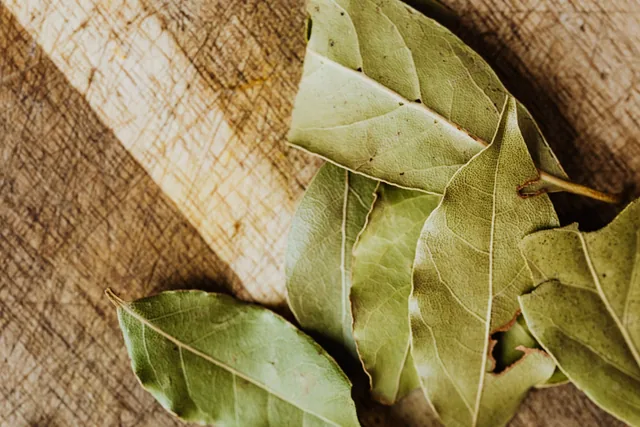
Some ingredients announce themselves. A chilli announces itself quite enthusiastically. A bay leaf tends to float about looking as though it has wandered in from the garden.
It is easy to wonder whether it is doing anything. Before blaming the leaf, though, check two things: which kind you have bought, and whether it still smells of something. A forgotten packet cannot contribute much more than a small obstacle to your spoon.
Two leaves sharing a name
Mediterranean bay, or bay laurel, comes from Laurus nobilis. Indian bay, often sold as tej patta, comes from Cinnamomum tamala. They belong to the same botanical family but are different plants. The latter belongs to the cinnamon genus. A packet labelled simply “bay leaves” does not settle the question. Spices Board India, Kew’s Indian bay record
Read the label or ask your spice seller. When a family recipe says only “bay leaf”, use the type its author normally cooks with if you can establish it. If you cannot, make a note of the packet you use. That makes a successful pot much easier to repeat.
From a victory wreath to the supper pot
Mediterranean bay has enjoyed a rather grand career. Ancient laurel wreaths celebrated achievement; poets, athletes and Roman emperors were among the people associated with them. Today a leaf is more likely to be found in a stew than on someone's head. The same plant can evidently manage both ceremony and a working lunch. University of Wisconsin’s bay history
Indian bay has its own geographical story: Kew records its native range from the Himalaya into China. That is a useful reminder that similar English names can conceal very different journeys. Neither leaf needs to borrow the other's history to deserve its place in a kitchen.
Let it spend some time in the pot
Bay is useful in dishes where there is time for an aromatic leaf to season the surrounding liquid. Think rice, beans, a simmering sauce or a slowly cooked meat dish. It is not the equivalent of fresh dhania scattered over a finished curry. Wisconsin’s culinary guidance
Follow the timing in your recipe. Some methods begin with whole spices in oil; others add the leaves to the sauce. Keep whole leaves easy to find and remove them before serving. Finishing a lovely meal by chewing a tough leaf is an avoidable disappointment.
For a simple flavour exercise, make a small amount of plain rice with a bay leaf and compare it with a portion cooked without one. Keep the rest of the seasoning the same. This is a kitchen comparison, not a new rule for every rice dish: its purpose is to help you notice the ingredient without a whole masala competing for attention.
Good company in a Durban kitchen
- Rice and whole spices: our Chicken Breyani includes bay alongside cinnamon, black elachi and other aromatics.
- Beans, potatoes and tomatoes: the Broad Bean Curry gives bay a place with cinnamon and star anise.
- A creamy tomato sauce: our Creamy Butter Chicken adds both bay leaves and curry leaves. They are separate ingredients doing separate jobs.
These are examples, not an instruction to add every aromatic you own. If the recipe already has a whole-spice mixture, check what is in it before adding another handful of leaves.
What about the health claims?
A small study in 40 people with type 2 diabetes reported changes in glucose and cholesterol after daily capsules of ground Laurus nobilis. It lasted 30 days. That is a different species and preparation from many Indian bay packets, and a different use from removing one leaf after cooking a shared pot. It does not establish a medical benefit for your curry. Read the study
A little cupboard discipline
Keep dried leaves sealed, dry and away from the stove's heat. Buy a manageable packet, label the type and opening date, and use your nose when considering flavour. Do not keep doubling the amount to compensate for a packet that has lost its character.
There is no need to declare bay incompatible with another ordinary curry spice. The useful limits are quantity, freshness and the flavour you want. Give the leaf a clear job, let it do that job, and remember to take it out before its dinner-table debut.